










此文章来自2022奥马绿皮书第8篇。
Put simply, sustainable packaging is the sourcing, development, and use of packaging solutions that have minimal environmental impact.简而言之,可持续包装是指采购、开发和使用对环境危害最小的包装方案。
Ask the older generation about the packaging they remember from their youth and you might be surprised. Cotton or paper bags, sometimes even newspaper, to carry loose produce, simple cardboard boxes for deliveries which were then recycled to pack supermarket shopping, no plastic wrapping or bags, and sheets of padded cotton to protect large items for transportation.
你可能想象不到老一辈人年轻时的包装是什么样的:散装农产品就用棉布袋、纸袋,甚至是报纸盛装;送货时用的是普通的纸板箱,送完货后就把这些纸板箱回收起来,用作超市购物的包装盒;没有塑料包装纸或包装袋;运送大件货物时用棉垫片提供保护。
But in the past 50 years, faster product cycles, global supply chains, new materials, all driven by different and evolving consumer expectations have brought about the mass use of industrial packaging, from tightly wrapped fruit in supermarkets to the shipment of large domestic white goods.
但在过去的50年里,由于消费者期望不断变化,因而产品周期不断缩短、供应链呈现全球化趋势并且新材料加速问世。随之而来的,是工业包装的大规模使用。从超市里包装精致的水果到大型白色家电的运输,都离不开工业包装。
But alongside the meteoric growth in the global movement of products needing to arrive protected and undamaged, there is now rising concern about the toll that unsustainable packaging, particularly single-use plastics, is taking on the planet.
为避免货物在运输途中受损,全球范围内越来越多的产品需要层层保护。因此,人们愈发担心不可持续性的包装,尤其是一次性塑料对地球的危害。
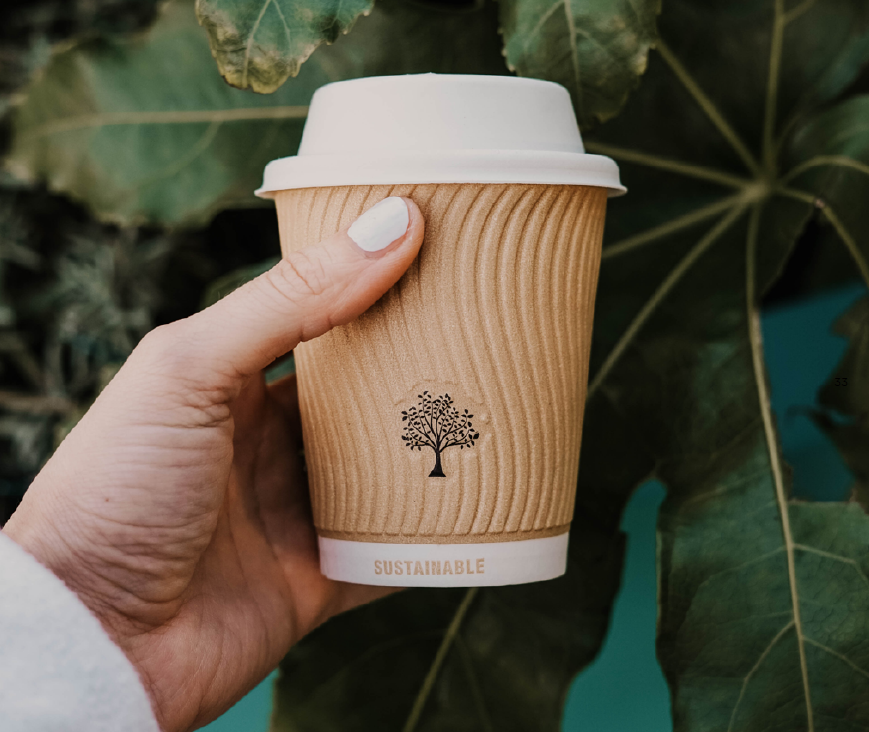
Minderoo基金会是一家总部位于澳大利亚的慈善机构。根据该机构发布的“塑料垃圾制造者指数”,2019年全球共丢弃1.3亿公吨一次性塑料,其中35%被焚烧,31%进入正规垃圾填埋场,19%被直接倾倒在陆地上或海洋中。
These figures make scary reading, and unsurprisingly growing numbers of concerned consumers are pressurising legislators and agencies, manufacturers and suppliers, to find others solutions, without losing the undoubted benefits of well-packaged products
这些骇人听闻的数字引起了消费者的广泛担忧,他们随即向立法机构、制造商和供应商施压,要求在不损害产品的前提下,提出其他的包装方案。
“An average consumer in the western world will handle more than 50 packaged products / items every day.” (GWP Group)
“在西方世界,一个普通消费者每天要消耗50多种包装好的产品或物品。”(GWP集团)
Reuse, reduce and recycle – the circular economy
再利用、减量化与再循环——循环经济
On the frontline of everyday life, campaigns encourage the consumer to buy unpackaged products where possible, use less plastic in the home for food storage, use reusable coffee cups and water bottles, and drink tap or filtered water to avoid single use plastic bottles.在日常生活中,可通过宣传活动来鼓励消费者更多地购买未包装的产品、在家中减少使用塑料储存食物、使用非一次性的咖啡杯和水瓶,并且尽量饮用自来水或过滤水以减少一次性塑料瓶的使用。
For industrial packaging, much research is taking place to create lighter materials to make transport more efficient and sustainable by reducing weight and thus reducing the carbon footprint of each journey. Attention is also paid in designing the shape of specific packages, thus maximising space to achieve full loads.
目前,工业包装领域开展了大量研究,旨在研发更轻的材料,从而通过减重来提升运输效率和可持续性,减少单次行程产生的碳足迹。此外,研究还发现,通过改变包装的形状,可最大限度地利用空间以实现满载。
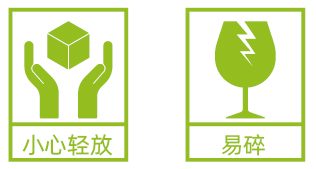
There are certainly still many obstacles to overcome. For example, the transportation of fragile goods such as large domestic appliances needs very strong and resilient packaging to protect against impact, vibration and compressive stresses. The most commonly used packaging for this purpose is expanded polystyrene, which can be recovered to be crushed and reused, but currently the recovery rate is low, resulting in the potential for land and ocean pollution. Against the cost to the planet of such pollution, under present circumstances it’s necessary to offset the costs that would be involved in less effective packaging, resulting in damaged products and wasted journeys, a whole chain of carbon emissions for nothing.
当然,仍有许多障碍摆在我们面前。例如,运输大型家用电器等易碎物品时,需要使用高强度、强回弹的包装材料来实现防震缓冲。其中最常见的是发泡聚苯乙烯,这种材料回收后经过粉碎可重新使用,但目前的回收率较低,可能会加重土地和海洋污染。就当前情况而言,如果包装效果不理想,不仅会造成产品损坏,并且运输费用和供应链上各环节的碳排放也将全部白费。比起发泡聚苯乙烯对地球产生的负面影响,包装不当的代价要大得多。
New ways to pack
新型包装
There are many exciting new biodegradable packaging solutions coming along:许多新奇的可生物降解包装方案已进入人们的视线:
Plant-based: this is made from biological sources — everything from mushrooms and seaweed to corn and food waste.
植物基:由生物制成,原料包括蘑菇、海藻、玉米、食物垃圾等。
Edible: this also comes from biological sources, going one step further by being safe to eat!
可食用:同样由生物制成,但工艺更先进,制成的包装可放心食用!
Plantable: these have seeds embedded in them, a fun idea for customers. They work well for containing small, lightweight items such as cosmetics or jewellery, and can also be used as fillers or product wraps.
可种植:将种子嵌入包装中,为消费者增添乐趣。适用于包装小而轻的物品,如化妆品或珠宝,也可作为填充物或用来包裹产品。
Compostable and biodegradable plastic alternatives: these are made out of materials that can be composted at home and commercially. They’re often made from plant-based polymer that can break down in compost.
可堆肥和可生物降解的塑料替代品:由可用来家庭堆肥或商业堆肥的材料制成。通常由植物基聚合物制成,可通过堆肥工艺分解。
“The basic idea of packaging is not just to appeal to the consumer, but at the same time ensure that the content inside is intact. Sustainable packaging materials are made up of products that are recyclable and reusable, but they may not be as efficient as plastic and other thicker packaging materials that ensure product safety” (infiniti research)
"包装的核心用途不仅仅是吸引消费者,更是要确保里面的物品完好无损。可持续包装材料由可回收和可重复使用的材料制成,但其对产品的保护力度可能不如塑料和其他较厚的包装材料”(Infiniti调研公司)
Simplifying and clarifying
清晰的回收指引
Work towards creating monotype plastic bottles for cosmetics and household liquids is urgently underway, as currently the presence of different types of plastic in the bottle itself, the lid and the label makes recycling difficult.化妆品和家用液体产品所用的塑料瓶瓶身、瓶盖和标签所使用的塑料类型不同,增加了回收难度。因此,对这类塑料瓶的统一工作势在必行。
Manufacturers and distributors usually have clearly defined responsibilities for the recycling and disposal of packaging, but clear labelling of packaging for consumers on to how to recycle is an important area for improvement, and depends on interventions by legislators.
根据规定,制造商和经销商有责任对包装进行回收和处理。为了使消费者更好地参与到包装回收中来,清晰的包装标签必不可少。但是目前相关法规尚不完善,还需要立法机构的进一步干预。

So while we rely on our governments, scientists and agencies to push hard and fast for important lasting solutions to these complex problems, let’s keep the following in mind for our own day to day ’packaging’ lives…
政府、科学界和研究机构正加大力度寻找关键解决方案,以便一劳永逸地解决这些难题。与此同时,我们每拆开一个包装时都应提醒自己:
“There is no such thing as ‘away’. When we throw anything away, it must go somewhere.” Annie Leonard
“不存在真正意义上的“消失”。任何东西被丢弃后,只是被弃置在别的地方。"Annie Leonard
版权归广东奥马冰箱有限公司所有,转载请注明出处。